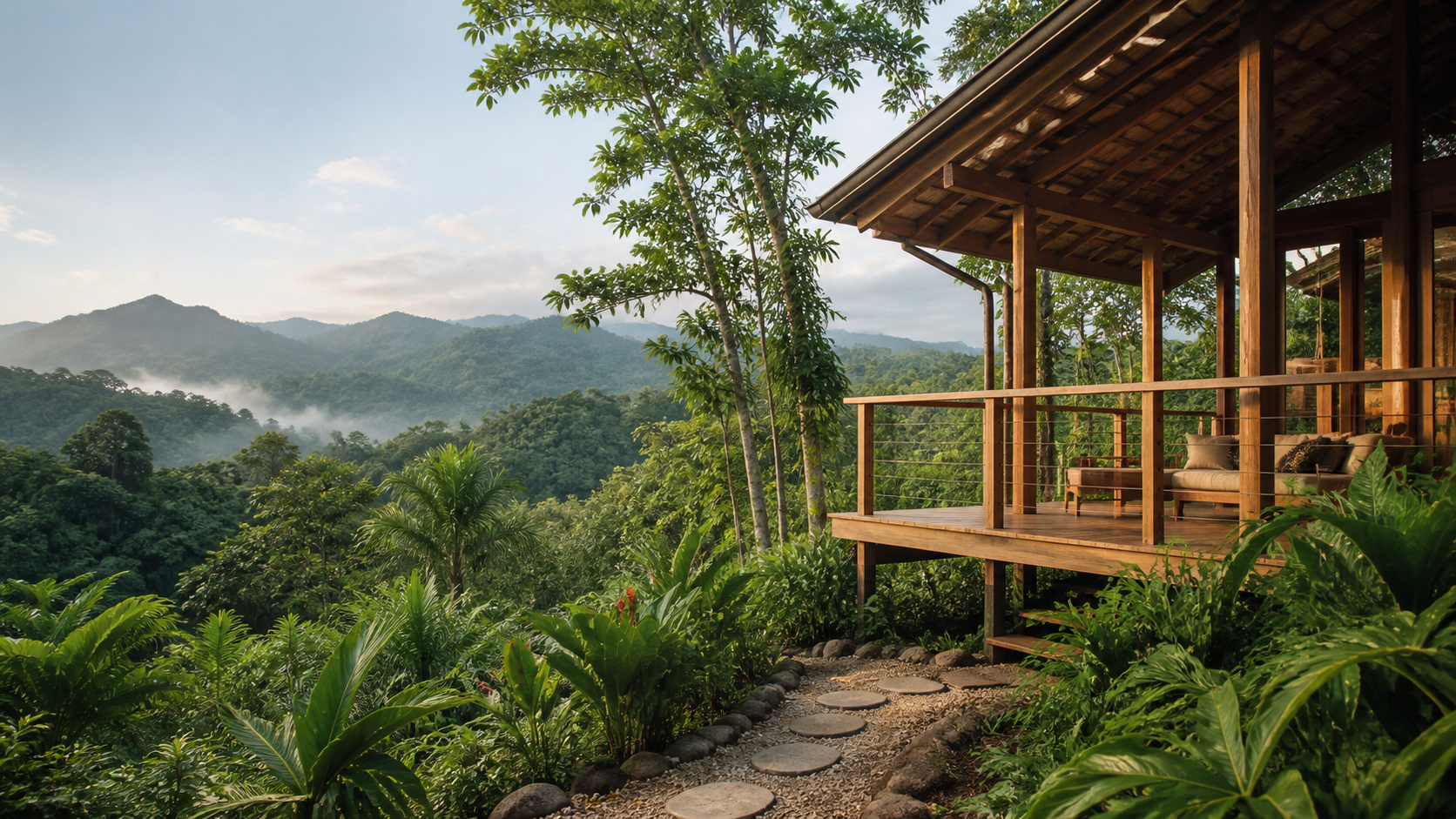
Costa Rica has long been recognized as a global leader in sustainable tourism, offering travelers a chance to immerse themselves in nature while supporting conservation efforts. For visitors seeking an authentic experience, selecting the right accommodation is crucial. This guide provides practical steps for planning a stay at an eco lodge in Costa Rica, ensuring your trip aligns with your values and comfort needs.
Define the stay you want
Begin by clarifying what you hope to achieve during your visit. Are you looking for deep immersion in rainforest environments, relaxation on pristine beaches, or adventure activities like hiking and wildlife viewing? Understanding your primary goal helps narrow down the regions that best suit your interests. Costa Rica offers diverse ecosystems, from cloud forests to dry tropical forests, each providing unique experiences. Consider whether you prefer a remote setting for solitude or a location closer to towns for easier access to local culture and amenities.
Compare location and access needs
Once you have defined your priorities, evaluate the logistical aspects of different locations. Costa Rica features a wide variety of eco-friendly accommodations, including bio-hotels, guest houses, bed and breakfasts, farm stays, and glamping sites. When comparing these options, consider travel times from major airports or hubs. Some remote lodges may require multiple transfers via small planes or 4x4 vehicles, which can add complexity to your itinerary. Assess how much time you are willing to spend traveling versus exploring. Proximity to national parks or conservation areas can enhance your experience but may also mean fewer dining options nearby. Browse destination planning guides as you build the rest of your itinerary.
Review sustainability and comfort questions
Sustainability is a core value for many travelers visiting Costa Rica. Verify the eco-credentials of potential lodges by asking about their specific practices. Inquire about waste management, water conservation, energy sources, and support for local communities. While certifications such as the Certification for Sustainable Tourism (CST) exist, standards can evolve, so it is wise to ask directly about current initiatives. Additionally, balance sustainability with comfort. Determine what amenities are non-negotiable for you, such as private bathrooms, hot water, or reliable Wi-Fi. Transparent lodges will openly discuss both their environmental efforts and their limitations regarding modern comforts.
Check rooms, meals, and included services
Examine the specifics of the accommodation offerings. Ask detailed questions about room types, bed configurations, and view options. Inquire whether meals are included in the rate, what dietary restrictions can be accommodated, and if food is sourced locally. Clarify which activities are included in the price versus those that incur additional fees. Some lodges offer guided tours, yoga classes, or cooking workshops as part of the stay, while others charge separately. Understanding the total scope of services helps you budget accurately and avoid unexpected costs during your visit.
Confirm the details before booking
Before finalizing your reservation, ensure all critical details are confirmed in writing. Contact the property directly to verify accessibility options if needed, as some eco-lodges may have uneven terrain or stairs. Confirm cancellation policies, payment methods, and any required deposits. Ask about current health and safety protocols, as well as any specific packing recommendations for the climate and activities planned. Direct communication with the property ensures you have the most up-to-date information and builds a rapport with your hosts.
Before you book
Contact the property directly or use its official booking page to confirm location, access, rooms, meals, accessibility, sustainability practices, included services, total price, and cancellation terms before booking.