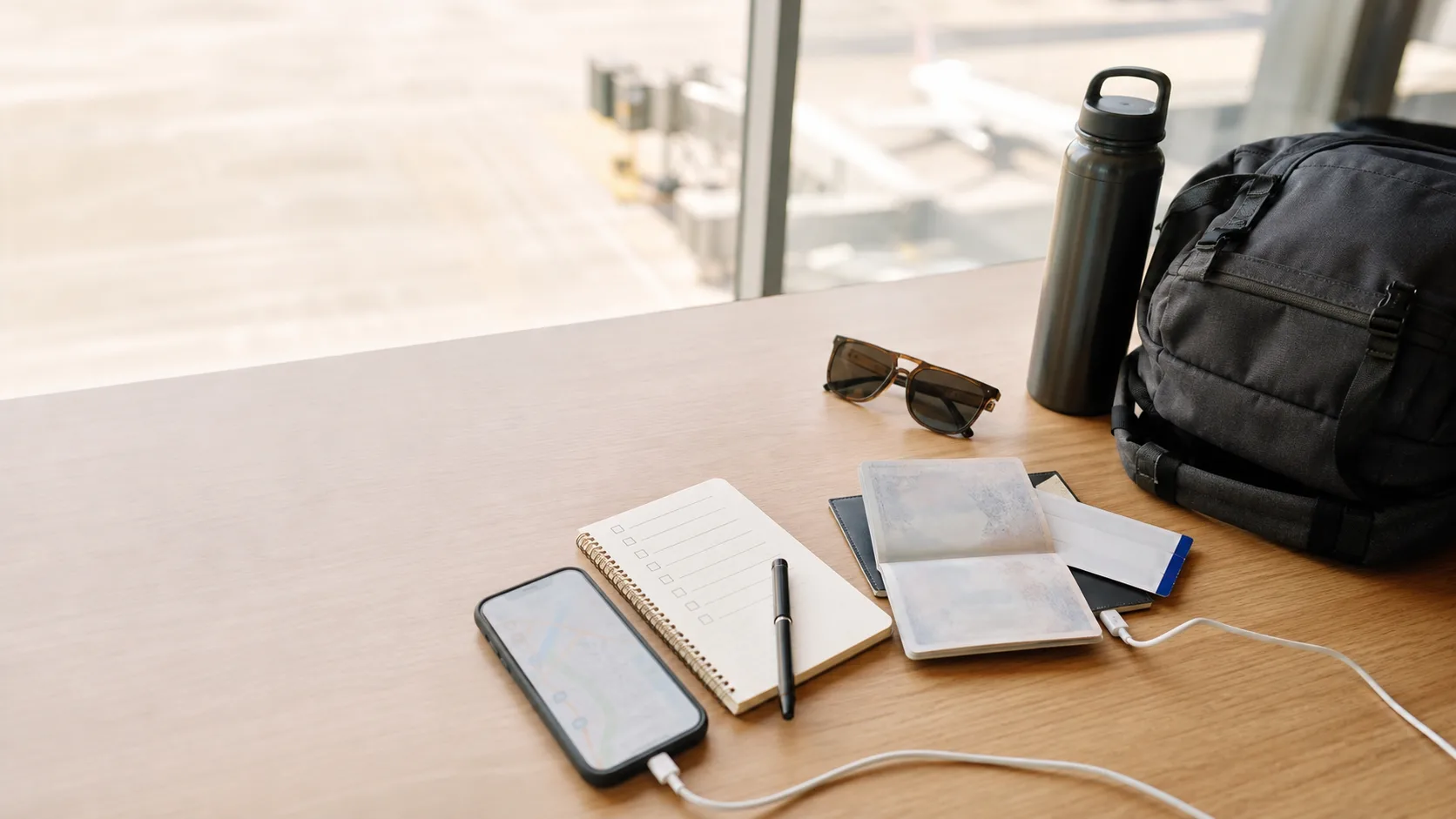
Planning student trips is fundamentally different from planning a standard vacation. Many student travelers operate with constrained budgets, rigid academic schedules, and perhaps less experience navigating unfamiliar systems. However, these constraints force you to become a strategic planner, leading to deeper cultural immersion and more memorable experiences than a luxury trip often provides. This guide is designed for college students and young adults planning their first independent domestic or international leisure trip. Whether you are organizing a spring-break getaway, a semester break solo adventure, or a short group trip with friends, this article provides the practical framework you need to travel safely and affordably without sacrificing the quality of your experience.
Choosing Your Destination: A Strategic Framework
The first step in student travel planning is selecting a destination that aligns with both your budget and your interests. While cost is a significant factor for students, it should not be the sole determinant of your choice. A destination that offers rich cultural experiences, historical significance, or natural beauty can provide immense value even if it requires a slightly higher initial investment. To make an informed decision, use this comparison framework to evaluate potential destinations:
| Criteria | High-Priority Considerations | Low-Priority Considerations |
|---|---|---|
| Cultural Fit | Vibrant cultural life, museums, parks | Nightlife reputation only |
| Budget Impact | Cost of living relative to your total budget | Absolute dollar amount of flights |
| Safety Profile | Local emergency resources, transit safety | General country statistics |
| Accessibility | Visa requirements, flight connectivity | Proximity to other tourist spots |
Consider what you want to get out of the trip. Are you looking for relaxation, adventure, or educational enrichment? For cultural enrichment, choose places with a vibrant cultural life. Look for areas with many museums and parks (natural and historical), as these often have reduced or free entry for students. If you are interested in active travel, consider destinations that support outdoor activities, such as those offering bike-friendly infrastructure where you can plan routes by researching terrain and weather.
Set a Realistic Trip Budget
Effective budgeting is the most critical component of student travel planning. Planning is key when traveling on a student budget, and booking transportation and accommodation in advance often leads to better prices. However, your budget should be comprehensive, covering not just flights and hotels, but also daily expenses, emergencies, and pre-trip costs.
Establishing Your Total Budget
Start by determining the total amount you can afford to spend. Break this down into fixed costs (flights, visas, insurance) and variable costs (food, activities, local transport). Fixed costs should be prioritized for early booking to secure the best rates. Variable costs require a daily estimate based on your destination's cost of living.
Managing Money Abroad
Once you have established your budget, focus on how you will manage money while traveling. The goal is to minimize fees and maximize security.
- Banking Strategy: Avoid Dynamic Currency Conversion (DCC) when using credit or debit cards abroad. Always choose to be charged in the local currency rather than your home currency to avoid unfavorable exchange rates.
- Cash vs. Card: Carry a small amount of local cash for tips and small vendors, but rely on cards for larger purchases due to better security and tracking. Notify your bank of your travel plans to prevent fraud alerts.
- Budgeting Apps: Use digital tools to track daily spending against your pre-set limits. This prevents overspending in the moment and helps you adjust your itinerary if costs exceed expectations.
Accommodation: Smart Choices for Students
Where you stay significantly impacts both your budget and your experience. Avoid overlapping advice by categorizing your options based on your travel style:
- Hostels: Ideal for solo travelers or those seeking social interaction. Look for hostels with positive reviews regarding safety and location. Many offer private rooms if you prefer more privacy but still want access to communal kitchens to save on food costs.
- Short-Term Rentals: If you are traveling in a group, splitting the cost of an apartment can be very economical. This option also provides kitchen facilities, allowing you to prepare some meals yourself, which is a major cost saver.
- University Housing: For academic breaks, check if your own university or partner institutions offer summer housing or guest rooms at reduced rates. When selecting accommodation, prioritize location near public transit hubs to reduce transportation costs. Always read recent reviews specifically mentioning cleanliness and security, as these are critical for student travelers who may be in new environments.
Documents, Insurance, and Entry Requirements
Proper documentation is non-negotiable for a smooth trip. Missing or incorrect documents can lead to denied boarding or legal issues. Research entry requirements well in advance. Some countries offer visa-free entry for short stays, while others require visas applied for months ahead. Check if you need any specific vaccinations or health declarations before departure.
Travel Insurance
Travel insurance is strongly recommended for student travelers. Unlike established professionals, students often have limited financial buffers and no emergency backup funds in case of trip interruption, medical emergencies, or lost luggage. A comprehensive policy can cover:
- Medical expenses and evacuation. * Trip cancellation or delay due to unforeseen circumstances. * Loss or theft of personal belongings, including electronics and documents. Compare options based on coverage limits, deductibles, and exclusions rather than price alone. Ensure the policy covers all activities you plan to engage in, such as hiking or water sports.
Essential Documents Checklist
- Passport (with copies stored digitally and physically). * Visa approval letters (if applicable). * Travel insurance policy details and emergency contact numbers. * Flight and accommodation confirmations. * International Student Identity Card (ISIC) or other student ID proofs for discounts. * Copies of important financial instruments (credit cards, bank accounts).
Travel Safely as a Student
Safety should be a proactive part of your planning, not an afterthought. This is especially important when going to a new campus building, research facility, hostel, airport, or conference venue.
Pre-Trip Safety Research
Before you go, research the safety profile of your destination. Identify areas to avoid, common scams targeting tourists, and local laws. Save important addresses in your phone, including your dormitory or hotel, university department (if applicable), local emergency contacts, and event venues.
Transport Safety
Different situations require different transport choices. Public transport may be affordable and convenient during the day, while a taxi or arranged ride may be more practical after a late seminar, when carrying equipment, or when arriving in a new city. If you are traveling at night, use reputable ride-sharing apps or official taxi services rather than hailing cabs on the street.
Solo vs. Group Travel Safety
- Solo Travel: Share your itinerary with a trusted friend or family member back home. Check in regularly. Stay in well-lit, populated areas and trust your instincts. If something feels wrong, leave.
- Group Travel: Establish a group communication plan (e.g., a WhatsApp group) and a meeting point in case anyone gets lost. Assign a "safety lead" for each day to ensure everyone is aware of the schedule and emergency contacts.
Packing Smart: Essentials and Strategy
Packing efficiently saves time, money, and stress. The goal is to pack light enough to move easily but thoroughly enough to handle various situations.
Core Packing Categories
- Clothing: Use a layering system to adapt to changing weather. Choose versatile pieces that can be mixed and matched. Include comfortable walking shoes, as you will likely do more walking than anticipated.
- Electronics: Bring necessary adapters for your destination's power outlets. Pack a portable charger for days out. Keep essential electronics (phone, laptop) in your carry-on luggage to prevent loss or damage.
- Health and Hygiene: Pack a basic first-aid kit with bandages, pain relievers, and any prescription medications. Include personal hygiene items, but buy larger sizes locally if possible to save weight.
- Documents: Keep digital copies of all important documents in a secure cloud folder. Carry physical photocopies separate from the originals.
What NOT to Bring
- Excessive Cash: Only bring what you need for immediate expenses.
- Valuable Jewelry: Leave expensive items at home to avoid loss or theft.
- Heavy Books: Use e-readers or library resources instead of packing physical books.
- Unnecessary Clothing: Plan to do laundry if your trip is longer than a week.
Build a Flexible Daily Itinerary
A rigid itinerary can lead to burnout, while no plan can lead to missed opportunities. The key is flexible planning. Use tools like Google Maps to group activities by neighborhood, minimizing travel time and cost.
Activity Selection Framework
When deciding which activities to include in your itinerary, use the following criteria:
- Interest Alignment: Does this activity align with your primary goals (culture, relaxation, adventure)?
- Cost-Benefit: Is the cost justified by the experience? Look for free or low-cost alternatives where possible.
- Time Efficiency: Can this activity be done in a few hours, or does it require a full day? Plan longer activities on days with less travel.
The "Must-Do" vs. "Nice-to-Do" List
Categorize your desired activities into two lists:
- Must-Do: Non-negotiable items that define your trip (e.g., visiting a specific museum, attending a concert).
- Nice-to-Do: Optional activities to fill gaps or replace canceled plans. This approach allows you to stay on budget and schedule while remaining open to spontaneous discoveries. For example, if a planned tour is canceled, you can pivot to a "nice-to-do" activity in the same area without derailing your entire trip.
Save Money Without Making the Trip Miserable
Beyond budgeting, adopt these habits to stretch your travel funds further:
- Eat Like a Local: Try to find budget-friendly meals that are authentic to the locale. Avoid restaurants in tourist traps; walk a few blocks away for better prices and quality.
- Use Public Transit: Purchase multi-day transit passes if available. Walking is free and often the best way to discover hidden gems.
- Student Discounts: Always ask for student discounts. Many attractions, museums, and even some restaurants offer reduced rates with a valid student ID.
- Free Activities: Utilize free walking tours, public parks, and university campus events. These provide rich cultural experiences without the cost.
Student Travel Planning Checklist
Use this timeline to ensure you stay on track before your trip.
- Apply for visas and required vaccinations.
- Book flights and primary accommodation.
- Purchase travel insurance.
- Create a detailed budget spreadsheet.
- Notify banks of travel plans.
- Download offline maps and translation apps.
- Pack clothing and essential documents.
- Share itinerary with family/friends.
- Confirm airport transfer arrangements.
- Print or save digital copies of all documents.
- Charge all electronics and portable batteries.
- Exchange a small amount of local currency for immediate needs.
Day of Departure
- Arrive at the airport early (3 hours for international flights).
- Keep essential items (medications, documents) in carry-on.
- Turn off automatic phone roaming or purchase a local SIM/eSIM.
Conclusion
Student travel offers unparalleled opportunities for growth, independence, and cultural understanding. By approaching your trip with strategic planning, realistic budgeting, and a focus on safety, you can create an experience that is both affordable and unforgettable. Remember, the constraints of student travel are not limitations but rather tools that encourage creativity and resourcefulness. Start by defining your goals, securing your documents and insurance, and building a flexible itinerary that allows for both structure and spontaneity. Your journey begins with a single step—plan wisely, pack light, and embrace the adventure ahead.